About
Recent advances in deep learning and improvements in the quantity and quality of available human
brain-activity data (including functional MRI, EEG, MEG, and intracranial recordings) have made it
possible to build accurate encoding models of the human brain that can predict neural activity
for new
visual and auditory stimuli in individual people, even with generalization to new individuals. In
parallel, recent decoding models leverage prior information from generative multimodal models
to extract
rich perceptual and semantic content from brain activity with increasing fidelity. It remains
unclear,
however, how these technical advances can best be translated into theoretical advances (a better
scientific understanding of human brain computation) and impactful applications for the benefit of
humanity.
One important goal is to build human brain foundation models that are constrained
simultaneously by rich stimulus data, large-scale diverse brain-activity data, and task performance
requirements, so as to capture the computations performed by the human brain. This satellite event
"Modeling and Understanding Human Brain Computation at Scale"
brings together researchers who build neural network models that capture shared structure in neural
responses across the human population at scale and use the models to drive theoretical progress on the
computations underlying human cognition and perception. A central theme is methodology: What mapping
functions, architectures, and training regimes achieve strong generalization and enable
interpretation?
The event aims to foster dialogue between those collecting and modeling large-scale human brain data and
those asking what such models can tell us about how the brain works and how human brain foundation
models might be applied for human benefit.
Speakers and Panelists
*The order is alphabetical by last name.
Hossein Adeli
Columbia
Colin Conwell
MIT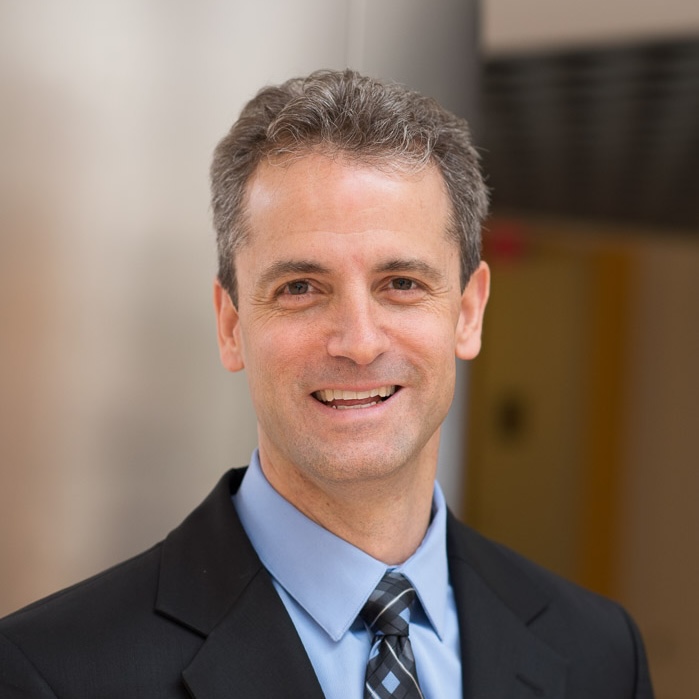
James DiCarlo
MIT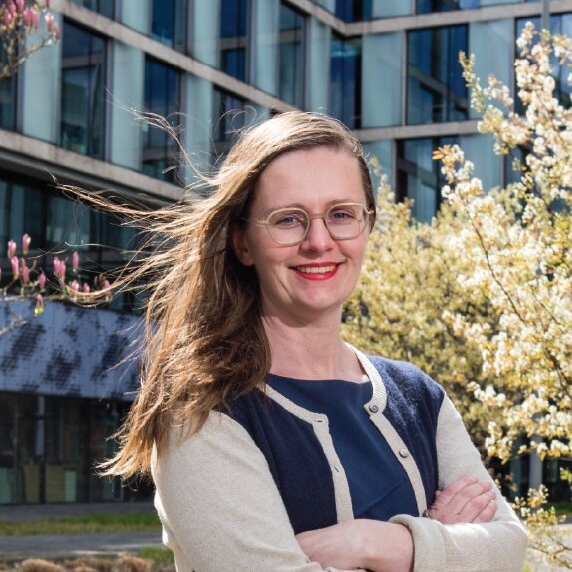
Iris Groen
UvA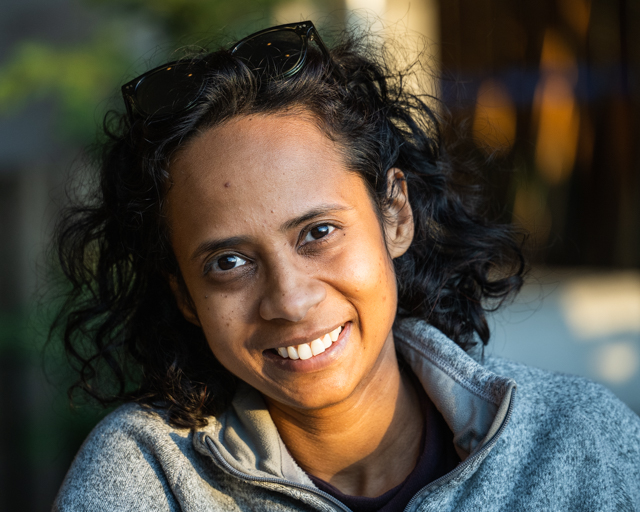
Shalmali Joshi
Columbia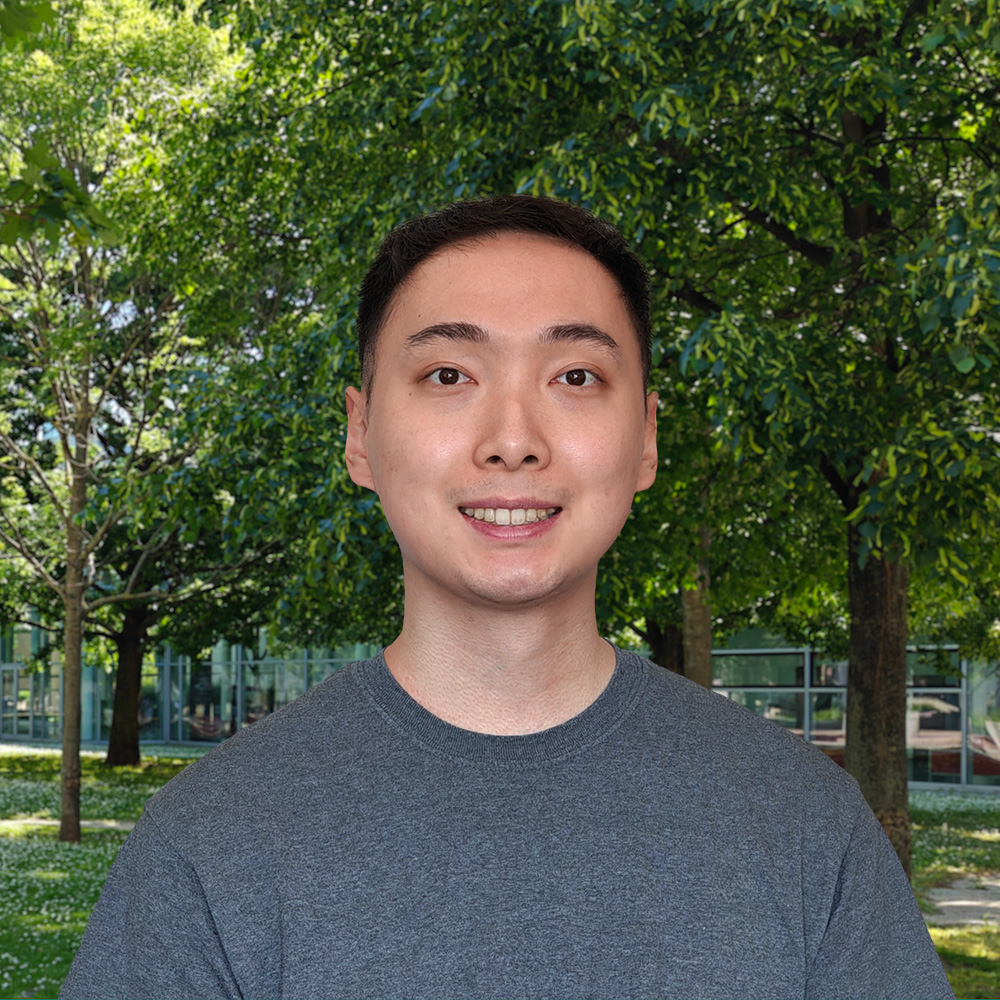
Andrew Luo
HKU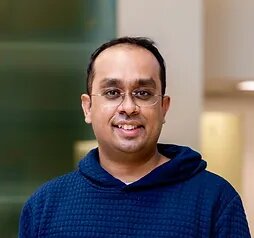
Apurva Ratan Murty
Georgia Tech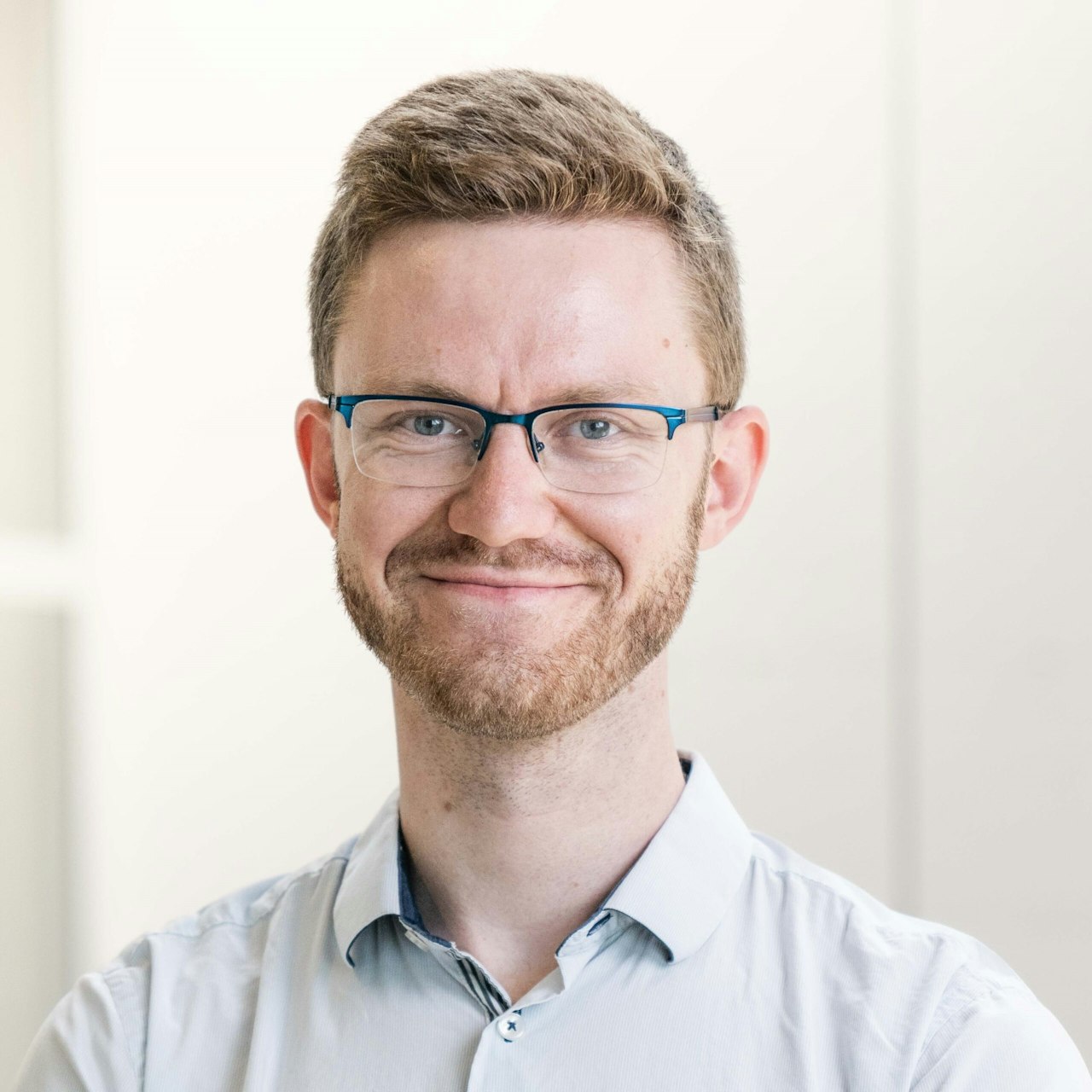
Martin Schrimpf
EPFL
Paul Scotti
Sophont Inc. / MedARC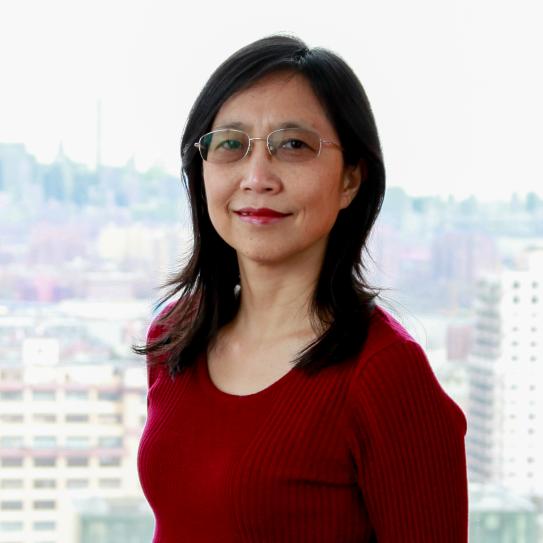
Yao Wang
NYU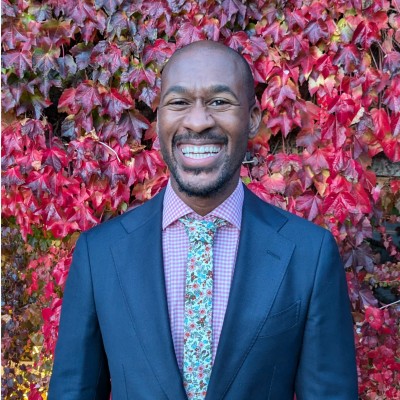
Teon Brooks
Meta FAIR / Gotham Data Clinic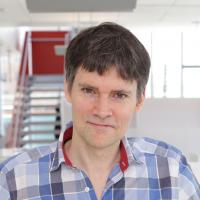
Nikolaus Kriegeskorte
Columbia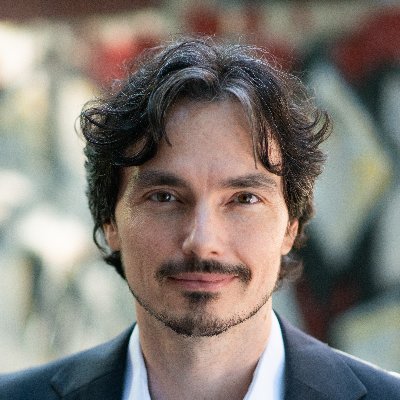
Patrick Mineault
Amaranth FoundationEvent Schedule
Organizers
Hossein Adeli
Columbia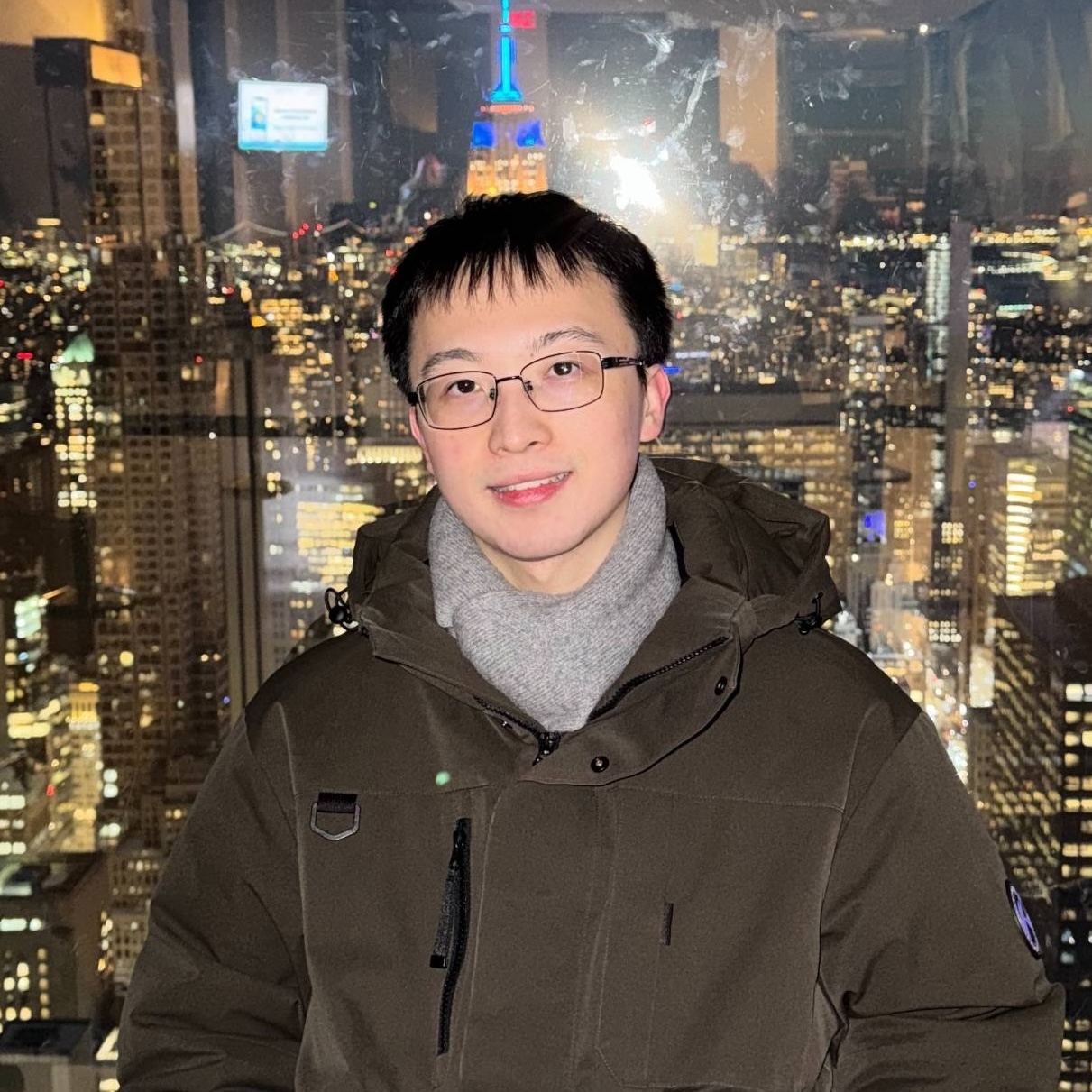
Pinyuan Feng
Columbia
Fan Cheng
ColumbiaAndrew Luo
HKUNikolaus Kriegeskorte
ColumbiaSponsors